


HAVE WE FORGOTTEN WHAT WOMEN FOUGHT FOR
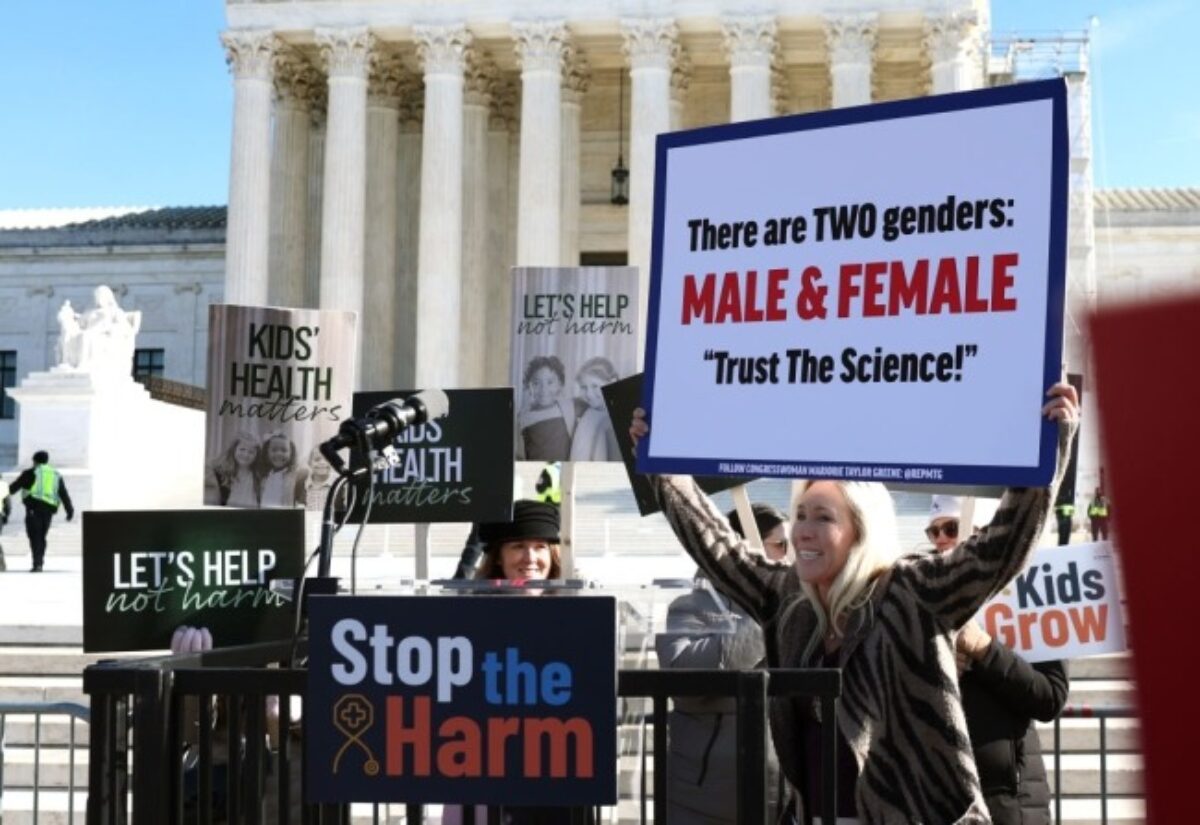
For decades, Americans watched women fight for rights that most of us now take for granted. Women fought for equal opportunities in education, in the workplace, in athletics, and throughout society. They fought to be recognized based on merit, not gender. They fought for privacy, safety, and fairness.
And they won.
Today, however, many Americans are asking a simple question: Why does it seem like those hard-earned victories are suddenly up for debate?
The modern feminist movement was built on the idea that women deserved equal opportunities and protections. Yet in recent years, many of the same activists who once championed women’s rights have remained silent, or have actively supported policies that many women believe undermine those very protections.
Nowhere is this more obvious than in women’s sports.
For generations, women fought to have their own athletic competitions because everyone understood an undeniable reality: men and women are biologically different. Separate leagues and divisions weren’t created to discriminate against women; they were created to ensure women had a fair opportunity to compete and succeed.
Today, we’re told that acknowledging biological reality is somehow controversial.
Young women who spend years training, sacrificing, and working toward athletic goals are increasingly being asked to compete against biological males who often possess physical advantages in strength, speed, endurance, and size. Then they’re told they should remain silent if they believe the competition is unfair.
That’s not equality. That’s not fairness. And it’s certainly not what the women of the 1970s fought for.
The same concerns extend beyond athletics. For decades, women expected privacy in locker rooms, restrooms, and changing facilities. Those expectations weren’t rooted in prejudice. They were rooted in common sense, dignity, and safety.
Yet today, women who express concerns about sharing intimate spaces with biological males are often dismissed, criticized, or labeled as intolerant. Many are afraid to speak openly because they fear professional or social consequences.
Think about how remarkable that is. Women who spent decades fighting to have their voices heard are now being told that their concerns don’t matter if those concerns conflict with a politically approved narrative.
Even more troubling is the message being sent to young girls. Girls are being taught that they should celebrate their achievements, unless someone else’s identity takes priority over their opportunities.
They’re being told that their right to privacy is negotiable. They’re being told that questioning obvious biological differences is somehow offensive. And they’re being told that speaking up for themselves may come with consequences. That’s not empowerment. That’s surrender.
Many Americans also worry about how discussions surrounding sexual assault and victim advocacy have changed. For years, society encouraged women to come forward and report abuse. We were told that victims deserved to be heard and taken seriously.
Today, many people feel there is increasing pressure to evaluate allegations through the lens of identity politics rather than focusing on evidence and the rights of victims. Justice should never depend on who the accused is or what group they belong to. Victims deserve support and due process should apply equally to everyone.
Every person deserves to be treated with kindness and humanity. But respect for one group should never require sacrificing the rights of another.
Common sense has increasingly been replaced by ideology. Policies are being driven not by what is fair, practical, or true, but by what is politically acceptable to say.
The women who fought for equality didn’t demand special privileges. They asked for fairness. They asked for safety. They asked for opportunities based on merit. They asked for spaces where they could compete and thrive without disadvantage.
Those principles are just as important today as they were fifty years ago. If we truly want to honor the women who fought for equal rights, we should be willing to defend those rights, even when doing so is unpopular.
Because equality loses its meaning when it becomes conditional.
And fairness ceases to exist when some people are told their concerns no longer matter.