


WHEN GOVERNMENT STARTS SELLING GROCERIES
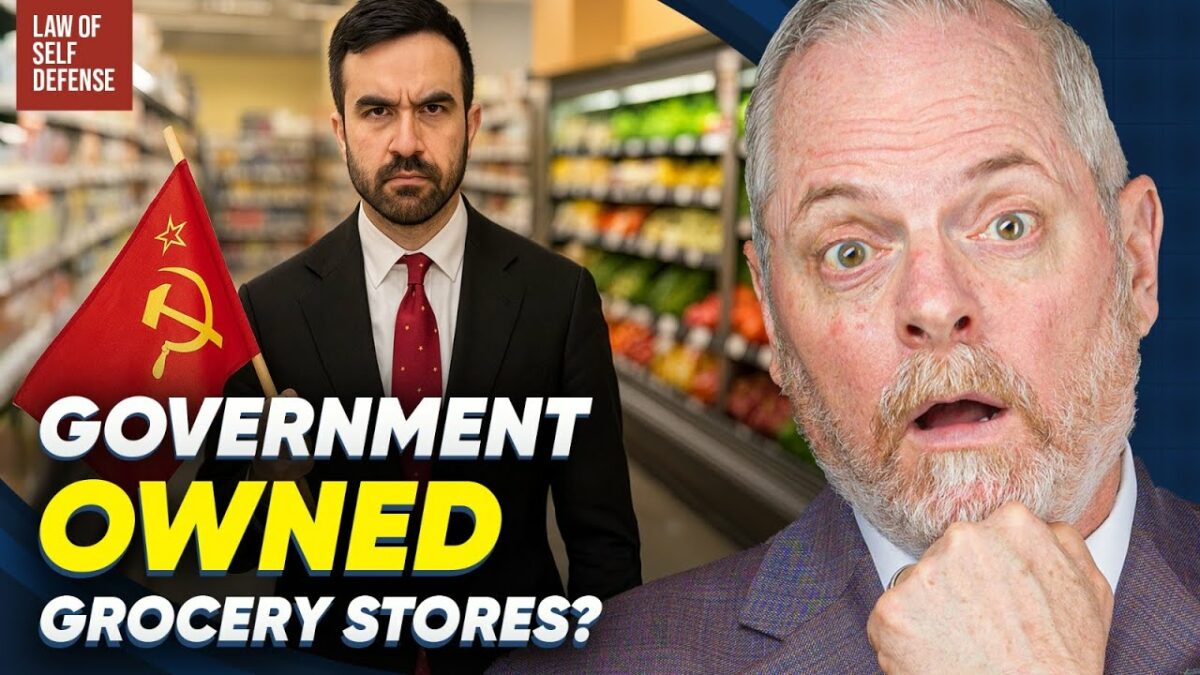
New York City’s plan to establish government-supported grocery stores is being promoted as an innovative solution to high food prices and limited access to supermarkets. Under the proposal, the city would provide publicly owned or subsidized locations while private contractors operate the stores. With rent-free space and other government support, certain staple foods could reportedly be sold for about 30 percent less than market prices.At first glance, that sounds compassionate. After all, who doesn’t want cheaper groceries?
But Americans should pay attention to the larger issue. Socialism rarely arrives with a brass band announcing that government intends to control the economy. It advances one “temporary” solution at a time. Government subsidizes a service, competes with private businesses, and gradually becomes a larger player in areas once handled by the free market.
A handful of government-backed grocery stores is not communism. But it is another step toward normalizing government involvement in businesses traditionally run by private citizens.
The immediate concern is fairness. A neighborhood grocer must pay rent, property taxes, insurance, utilities, wages, and financing costs. A government-supported competitor can receive free space, taxpayer assistance, and special advantages. It can sell products below market prices because taxpayers are helping pick up the tab.
Consumers may enjoy the lower prices, but the costs do not disappear. They are simply transferred to taxpayers, including the owners and employees of competing grocery stores.
That creates a serious problem. Independent supermarkets and neighborhood bodegas could lose customers, reduce staff, delay improvements, or close altogether. What begins as “competition” may end by eliminating competition.
Grocery retail is a tough business. Profit margins are thin, inventory spoils, theft is constant, and customer tastes change overnight. Private owners must adapt because their own money is on the line. When government-backed operations lose money, officials can simply ask taxpayers for more.
Then comes the inevitable bureaucracy. Who chooses the operators? The suppliers? The locations? The products? The prices? Even under the best circumstances, political influence has a way of creeping into decisions that should be made by customers and markets.
Capitalism is hardly perfect. It produces winners and losers, and some communities are underserved. Reasonable regulation and targeted assistance can help address those problems. But capitalism remains the better alternative because it rewards innovation, responds to consumer demand, and allows bad ideas to fail without sending taxpayers the bill.
If New York wants more grocery options, there are better approaches. Reduce regulatory barriers. Offer targeted tax incentives. Improve infrastructure. Help families directly rather than turning government into a favored competitor.
History teaches that freedom is usually surrendered in small increments, not all at once. Government grocery stores may seem harmless enough, but they raise an important question:
If government can do groceries better than private enterprise, what industry comes next?
That’s a question worth asking before we start shopping with taxpayer-funded coupons.
This version keeps his argument intact but gives readers a few memorable lines and a stronger ending. The original ended like a term paper; a commentary should leave the reader with a thought to chew on.