


DO WE WANT AMERICA TO LOOK LIKE CALIFORNIA?
At this early stage, it appears the front-runner for the Democratic presidential nomination in 2028 is California Governor Gavin Newsom.
Kamala Harris remains a possibility, but after her decisive defeat in 2024, I suspect Democratic Party leaders are already looking elsewhere. The party has never been shy about steering its nomination process toward its preferred candidate. Ask Bernie Sanders.
Newsom is very much a product of California’s political establishment, having risen through a network of wealthy donors, business leaders, and powerful politicians. Nothing illustrates that mentality better than the French Laundry incident during COVID.
In November 2020, while Californians were being urged to skip all family gatherings, Newsom attended a dinner at The French Laundry, an exclusive restaurant. Photographs showed guests seated closely together without masks while ordinary Californians were expected to follow strict restrictions.
I happened to be in San Diego around that time. Our group was forced to eat outdoors, wear masks, and comply with the ever-changing rules, while homeless people meandered by to see what we were eating. The message seemed clear: there was one set of rules for Gavin Newsom and his friends, and another for the rest of us, the great unwashed.
California boasts the fourth-largest economy in the world, trailing only the United States, China, and Germany. But Newsom didn’t build that. Long before he became governor, California benefited from Silicon Valley, Hollywood, world-class universities, fertile farmland, major ports, forty million residents, and exceptional weather.
The question isn’t whether California is rich. The question is who gets to enjoy that wealth. How can one of the wealthiest places in America struggle with housing affordability, homelessness, and the steady departure of residents to other states?
The answer former Californians give is remarkably consistent. They’re tired of high taxes, soaring housing costs, expensive electricity, high fuel prices and a government that seems disconnected from the realities of everyday life. California is producing enormous wealth. The problem is that ordinary Californians increasingly feel like they’re paying for it rather than benefiting from it.
For decades, California was the destination state. People moved there because jobs were plentiful, opportunities abundant, and the climate was unmatched. It wasn’t just aspiring actors chasing Hollywood dreams. Families, entrepreneurs, and working-class Americans headed west in search of a better life.
For years, I dreamt of living near San Diego. It seemed like paradise. That dream faded long ago.
Today, housing costs have placed that dream out of reach for millions of Americans. In many communities, the median home price is approaching or exceeding one million dollars. We’re not talking about oceanfront mansions. We’re talking about ordinary three-bedroom homes on modest lots.
Teachers, police officers, truck drivers, and countless other working Americans struggle to afford them. Apparently, a million-dollar starter home is now considered progress. When the people who keep a society functioning can’t afford to live there, something is fundamentally wrong.
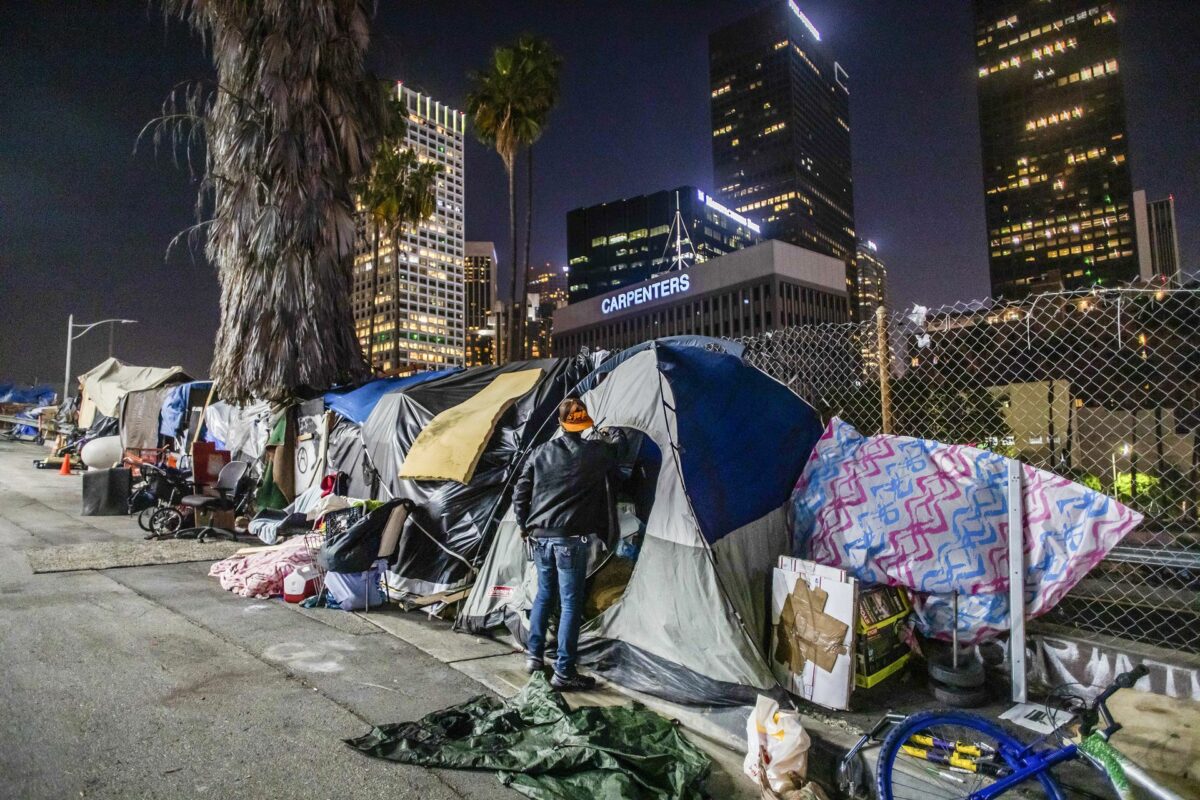
Additionally, California has roughly one-quarter of America’s homeless population despite having only about twelve percent of the nation’s population. State and local governments have spent billions of taxpayer dollars attempting to address the problem, yet the crisis persists.
Residents in many cities report stepping over human waste, navigating tent encampments, and avoiding neighborhoods plagued by drug use and crime. Whatever the solution may be, spending billions doesn’t appear to have found it. Whether one views homelessness as an economic issue, a mental health issue, or a substance abuse issue, the reality is impossible to ignore.
Supporters of Newsom point out that California’s overall population decline has stabilized. Technically, that’s true. What they omit is that approximately 1.3 million Californians have left the state in recent years. Population growth has largely been maintained through international migration, including illegal immigrants.
That distinction matters. California is no longer emptying out. But it’s losing Californians.
As Newsom positions himself for a run at the White House, Americans should ask a simple question: Is California really the model we want for the rest of the country?
California is wealthy, beautiful, and has extraordinary advantages. Yet it continues to lose residents, struggle with homelessness, and price ordinary families out of the housing market.
Before we decide to adopt California’s model for the nation, perhaps we should take a hard look at how that model is working for the people who already live there. If California is the future, why are so many Californians headed somewhere else?
Do we really want the rest of the country to look like California – without the nice weather?