

MORE ABOUT WASHINGTON’S FAREWELL ADDRESS
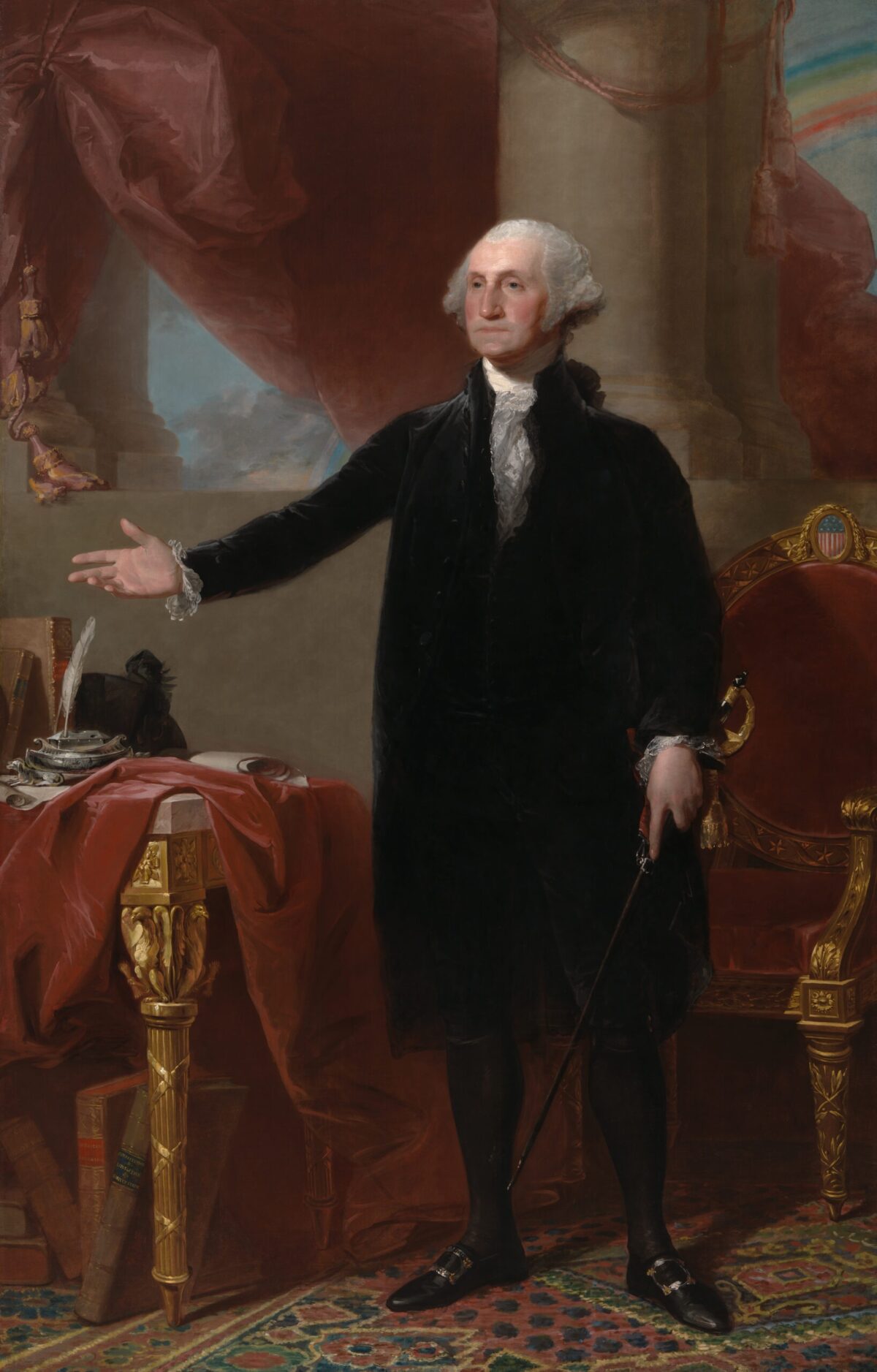
In his July 19th commentary, Alan pointed out how George Washington’s Farewell Address deserves to stand beside Lincoln’s Gettysburg Address because its timeless warnings about national unity, partisan division, constitutional government, personal virtue, public debt, foreign entanglements, and the peaceful surrender of power remain essential to preserving the American Republic.
George Washington’s Farewell Address (1796) remains one of the most important political documents in American history. Many of the warnings he gave over 230 years ago sound remarkably relevant today. Below is a comparison of Washington’s core principles with observations about modern politics. The historical points come directly from the Farewell Address; the comparisons are modern interpretations, in a more polite way than I usually do.
| Washington’s Warning | Modern Contrast |
| National unity must come before regional or political divisions. Washington warned that Americans should think of themselves as Americans first and resist efforts to divide the nation by geography or competing interests. | Today’s politics are often characterized by intense partisan, ideological, and regional polarization, with political identities frequently taking precedence over shared national identity. |
| Political parties are dangerous when they seek power over the common good. He called the “spirit of party” one of the greatest threats to the Republic. | Modern political parties are central to American government. Critics argue that intense partisanship can sometimes make compromise and bipartisan cooperation more difficult. |
| Beware of ambitious politicians who divide the people for personal gain. Washington warned that faction could become a vehicle for “cunning, ambitious, and unprincipled men.” | It is common for observers across the political spectrum to criticize politicians whom they believe prioritize electoral advantage or personal ambition over governing. |
| Respect the Constitution and the rule of law. Changes should occur through constitutional amendment rather than by bypassing established processes. | Constitutional interpretation remains a major source of debate, with disagreements over executive authority, judicial decisions, and the proper scope of federal power. |
| Maintain separation of powers. Washington warned against one branch encroaching on another because concentrated power threatens liberty. | Questions about the balance among Congress, the presidency, and the courts continue to be recurring issues in American politics. |
| Religion and morality are essential supports for a free government. Washington argued that liberty depends on virtue and that morality is indispensable to self-government. | There is ongoing public debate about the role of religion and shared moral values in civic life, with differing views on how they should influence public policy. |
| An educated and informed public is essential. Washington believed public opinion should be enlightened through education and knowledge. | The modern information environment includes vast access to information alongside concerns about misinformation, disinformation, and declining public trust in institutions. |
| Avoid excessive national debt. He urged paying debts promptly and avoiding burdening future generations. | The United States today carries a substantially larger national debt than in Washington’s era, and fiscal policy remains a major topic of political debate. |
| Beware of foreign influence. Washington considered foreign interference one of the greatest threats to republican government. | Concerns about foreign influence, including cyber operations, election interference, and disinformation campaigns remain prominent in national security discussions. |
| Put country above party. Washington hoped his advice would help moderate partisan passions and protect the nation from political extremism. | Many Americans across the political spectrum express concern that political polarization has made it harder to prioritize long-term national interests over party objectives. |
Washington’s central message
If George Washington’s Farewell Address could be distilled into a single sentence, it might be:
“Protect the Union, defend the Constitution, reject excessive partisanship, preserve virtue, guard against foreign influence, and always place the nation above personal or political ambition.”
One of the striking aspects of the address is that Washington’s warnings were not directed at a single political party or ideology. They were intended as enduring guidance for all future generations of Americans, emphasizing unity, constitutional government, civic virtue, and vigilance against forces that could weaken the Republic.
I take pride in a Republican Party founded in opposition to the spread of slavery and in the Republicans who helped dismantle slavery and Jim Crow; however, I also believe both major parties have lost their way, too often placing partisan power above the interests of the American people. To this day, we could still learn from our founding fathers.