


TORNADO PREPAREDNESS – A PERSPECTIVE FROM THE MIDWEST
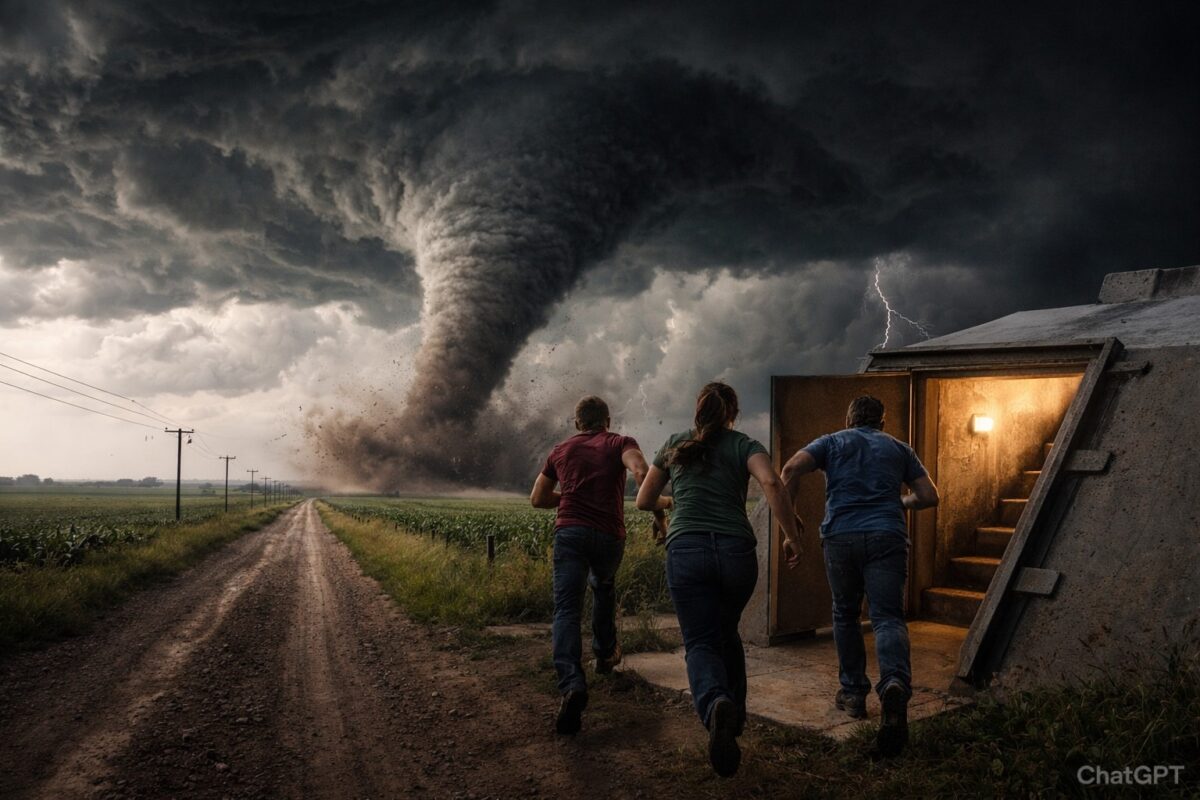
After 46 years in the safety and security industry, I’ve learned one simple truth: preparation saves lives. I’ve seen firsthand what tornadoes can do across the Midwest, from small towns to major cities, and I’ve also seen how planning, training, and the right technology make the difference between chaos and control.
Here in the heartland, whether you’re in Illinois, Iowa, Missouri, Indiana, or Kansas, tornado season is not a question of if, but when. In 2026, with stronger storm systems and more unpredictable weather patterns, readiness requires both common sense and modern tools.
Here’s what I recommend to families, businesses, schools, and healthcare facilities across the Midwest.
Before the Storm: Preparation Is Non-Negotiable
1. Develop a Written Emergency Plan and Practice It
Don’t just talk about it. Write it down. Post it. Drill it.
- Identify primary and secondary shelter locations.
- Establish out-of-area emergency contacts.
- Practice rapid movement to shelter (aim for under 60 seconds).
- For businesses and schools, conduct documented tornado drills twice annually.
Digital planning tools and emergency apps now allow you to share your plan instantly with employees and family members.
2. Upgrade Your Emergency Kit
The basics still apply:
- Water (one gallon per person per day for at least three days)
- Non-perishable food
- Flashlights and batteries
- First aid kit
- Important documents in waterproof containers
I strongly recommend adding:
- Portable power banks and solar chargers
- Battery backup packs for Wi-Fi routers
- N95 masks (for post-storm debris and insulation dust)
- Helmets for children (head trauma is a leading tornado injury)
- Emergency air horns or personal alarms
Power grid disruptions are lasting longer in some regions. Backup power is no longer optional. It’s essential.
3. Know Your Safe Zone and Reinforce It
The safest locations remain:
- Basements
- FEMA-rated storm shelters
- Interior rooms on the lowest level without windows
If you’re building or renovating, consider installing a reinforced safe room that meets updated FEMA guidelines. These rooms are more affordable than ever and dramatically increase survival rates.
For businesses, identify structurally reinforced interior corridors away from glass and large-span roofs. Pre-designate staff leaders responsible for guiding occupants during a warning.
4. Stay Informed Using Redundant Alerts
Relying on one notification method is risky.
I recommend:
- NOAA weather radios
- Smartphone emergency alerts
- Local government alert systems
- Integrated mass notification systems in commercial buildings
Outdoor sirens are helpful, but they were never designed to be heard indoors. Redundancy saves lives.
During the Storm: Seconds Matter
When a tornado warning is issued by the National Weather Service, act immediately. Do not wait to see the storm.
1. Move Fast! Don’t Hesitate!
You may have less than a minute. Go to your safe zone without delay.
2. Protect Your Head and Neck
From decades of incident reports, I can tell you debris causes most serious injuries.
- Use helmets.
- Cover with mattresses or heavy blankets.
- Get low and face down.
3. Avoid Large Open Spaces
Stay out of gymnasiums, auditoriums, warehouses, and areas with wide-span roofs. These structures are vulnerable to collapse under extreme wind pressure.
4. Commercial & School Protocols
- Lock down exterior doors to reduce wind tunnel effects.
- Use access control systems to prevent re-entry during active warnings.
- Trigger automated building-wide announcements through integrated communication systems.
Modern security technology allows real-time control of facilities during severe weather, a major safety advancement over the past decade.
After the Storm: Hidden Dangers Remain
1. Wait for Official Clearance
Monitor updates from local emergency management agencies before leaving shelter.
2. Check for Injuries First
Render first aid immediately. Stop bleeding, stabilize fractures, and call emergency services if available.
3. Watch for Secondary Hazards
- Downed power lines
- Gas leaks
- Structural instability
- Flooded areas with electrical hazards
Post-storm electrocutions continue to occur due to improper generator use. Always operate generators outdoors and away from structures.
4. Document Damage Securely
- Take high-resolution photos and videos.
- Back them up to cloud storage immediately.
Insurance claims move faster when documentation is thorough and organized.
5. Communicate Wisely
Text messages are more reliable than phone calls when networks are overloaded. Use group messaging or social media to notify family and staff you are safe, but conserve battery power whenever possible.
Final Thoughts
Tornado preparedness isn’t fear-based. Its responsibility based.
In the Midwest, storms are part of life. But tragedy doesn’t have to be.
Prepare early. Upgrade smartly. Drill consistently. And when the sirens sound, move immediately.
Stay alert. Stay informed. Stay safe.